Overview
Tarangire National Park, located in northern Tanzania, stands out as a premier safari destination. This remarkable park is famous for its immense elephant population and iconic baobab trees. It truly offers a unique and unforgettable wildlife experience. Covering approximately 2,850 square kilometers (1,100 square miles), this wilderness derives its name from the permanent Tarangire River. This river serves as a vital water source for countless animals, especially during the dry season. The park’s diverse landscapes and rich wildlife make it a must-visit.
What Makes Tarangire National Park So Special?
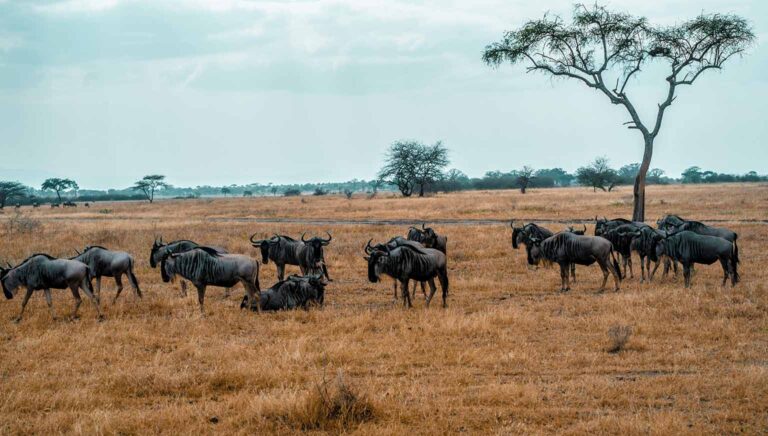
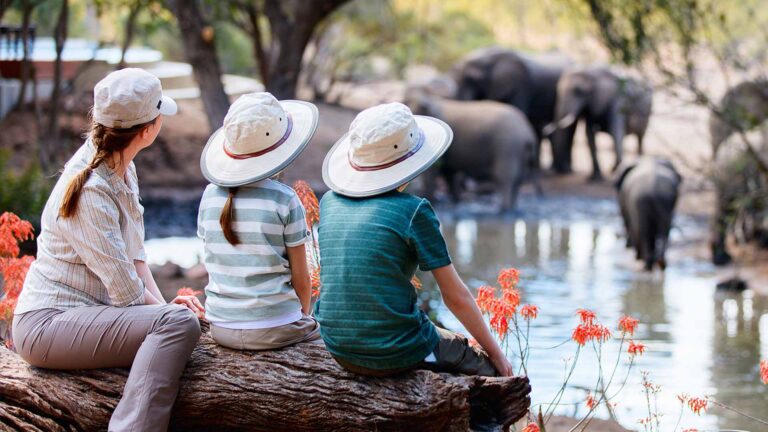
Many visitors ask what this stunning park is famous for. Its reputation primarily stems from the incredible concentration of elephants. Herds often number in the hundreds, particularly from June to October. During these dry months, a mini-migration occurs. Thousands of wildebeest, zebras, gazelles, and buffalo converge on the riverbanks. This attracts a variety of predators. Lion, leopard, and cheetah sightings are frequent, making game drives exhilarating. This park also boasts unique species like the fringe-eared oryx and gerenuk.
These are not commonly found in other northern circuit parks. Birdwatchers delight in over 550 species, including the striking yellow-collared lovebird, making any visit to Tarangire National Park a birding delight.
Best time to visit
Dry season months in Tanzania range from June through November are the best times to visit the Tarangire National Park. This is because most of the animals are forced to head towards the Tarangire river (the only source of water in dry months) so as to remain hydrated hence providing travelers with brilliant game-viewing opportunities.
Another cheerful reason to visit Tarangire during the dry season is the absence of harmful insects such as mosquitos this is to the fact that there will be no water holes around for them to lay their eggs.
unfortunately, the hot conditions of Tarangire favor the activities of tsetse flies. So, you are advised to do your game drives mostly during cooler hours of the day as the more it gets warmer the more tsetse flies come to action.
So, is it good to visit Tarangire during the wet seasons?
Yes, The Tarangire can still be enjoyed during the wet season. This is because the park will be less crowded with unique forested landscapes which come alive during the wet season.
Also, non-migratory species such as lions, cheetahs, leopards as well as birds can be seen during the time.
Planning Your Tarangire Safari Adventure
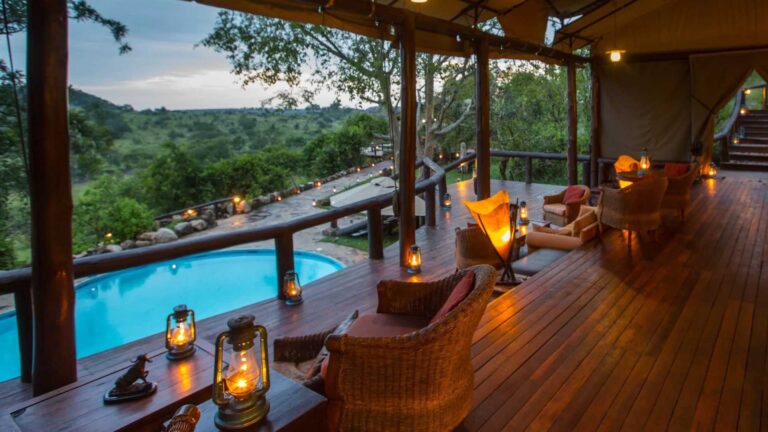
Planning your visit to this Tanzanian gem involves considering costs. Entry fees for non-East African citizens are typically around $50 per adult for a 24-hour period. Additional fees apply for vehicles and potential concession fees if staying overnight within the park’s lodges. For instance, several comfortable lodges operate within or near the park, catering to various budgets. The drive from Arusha to Tarangire National Park is about 118 kilometers (73 miles). This takes approximately two to three hours, making it an accessible day trip or a multi-day safari extension.
The best time to visit this incredible wildlife sanctuary for optimal viewing is during the dry season. This period runs from June to October. The weather in Tarangire during this time is generally dry and sunny. This makes animals easier to spot as they gather around dwindling water sources. While the wet season (November to May) brings lush landscapes and excellent birding, the dry season guarantees prime big game action. A safari here truly offers an intimate encounter with nature, showcasing the best of Tanzania’s wildlife.